


Every March, Roy Holdford loads up his van and hits the road for a three-month-long turkey hunt. He starts in the Southeast with the first season openers and then hunts his way north and west until, finally, June brings the end of his Turkey Van Tour.
Roy has planned six seasons worth of Turkey Van Tours and over that time he’s learned a lot about where to hunt — and where not to. In this episode of the Outdoor Life Podcast I got the chance to talk to Roy (who is now OL’s multimedia producer) about some of his favorite turkey hunting destinations around the country.
Importantly, Roy hunts public land or, occasionally, private ground when he can get permission. The heart of his trip and his related video series is all about DIY hunting. If money is of no concern and you wanted to book guided turkey hunts, it would be hard to beat places like Florida, Texas, or Hawaii. But the destinations we outline below are just the opposite. They’re relatively cheap to hunt, plus they have plenty of public ground, over-the-counter tags, and lots of opportunity for the DIY hunter.
North Carolina & Virginia
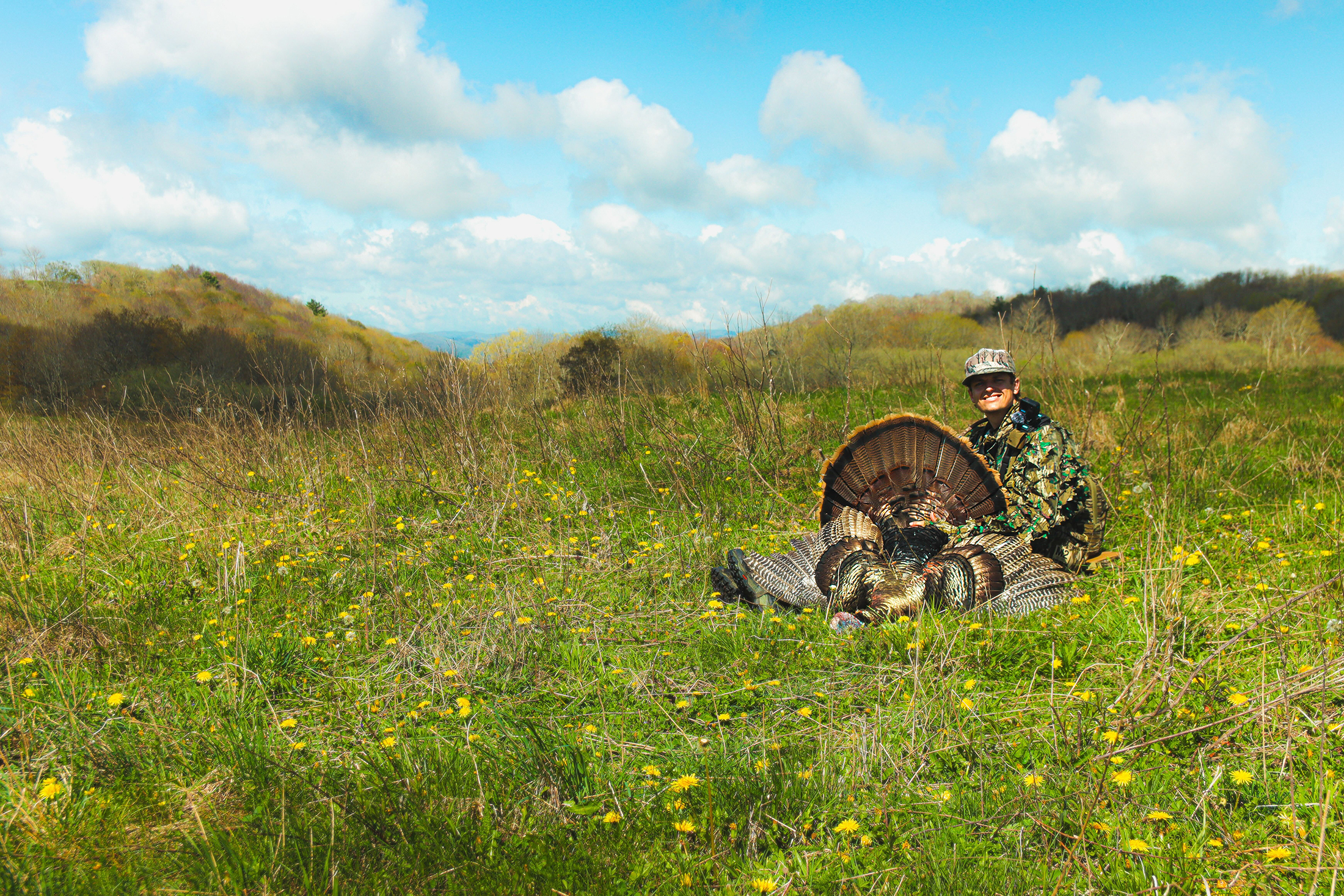
This is a bit of a homer pick (Roy is born and raised in costal North Carolina) but it’s warranted. North Carolina has diverse terrain and hunting opportunities, including the Costal Plain, Piedmont, and Mountain West regions. Roy recommends starting in the west where there’s more ground and a little less hunting pressure.
“Appalacia is one of my favorite places to hunt,” he says. I think it’s so cool that you can just pretty much hike up to any knob and if you get high enough, you can hear a bird gobbling somewhere — and you can go chase him.”
Virginia lays out similarly to North Carolina and allows hunters to purchase three tags. So, theoretically, you could hunt both states with a total of five tags in your pocket. Plus, it’s still possible to get hunting permission through door knocking in this part of the country.
“You’re not quite in the Deep South where you have a zero percent chance of getting turkey hunting permission through door knocking,” Roy says. “You still can [get permission] around here.
Vermont, New Hampshire & Maine
These states come as a kind of a package deal because you can essentially hunt them all in one big trip.
“You could go up there for two or three weeks and shoot six birds if you wanted and not really burn that much gas because all those states are so close together,” Roy says. These states also allow hunters to access private land if it’s not posted. However, Roy suggests getting permission first regardless. This keeps up good relations with landowners, prevents blown hunts, and could lead to other access opportunities down the road.
“It’s so important to just ask and have conversations with landowners, just so when they hear ‘hunter,’ they have a positive experience,” Roy says.
Also, states in the Northeast tend to run their turkey seasons late into May. So this is a great place to end your season.
Montana
These last two destinations on this list aren’t really underrated, as they’ve become popular with traveling turkey hunters over the last several years. But still, they’re worth looking into.
Unlike some other western states Montana allows non-residents to purchase multiple longbeard tags (depending on the units you’re hunting). While many non-resident hunters tend to target Eastern Montana, the rest of the state should be considered if you want to get away from hunting pressure.
“I definitely ran into non-resident hunters in Eastern Montana, but if you keep going West, man, there’s so many places you can hunt … The best thing about the West is that there’s so much public land,” Roy says. “You can get away from the pressure a lot easier than you can in the South.”
While hunting turkeys in the West, Roy has had success by targeting smaller, overlooked parcels of public land. There’s typically more pressure on big, obvious tracts of national forest. Those large popular tracts certainly hold turkeys, but they’ll be tougher to call in.
Wisconsin
Wisconsin has friendly locals, good beer, tons of good turkey habitat, and gobblers hammering from the Mississippi River to the coast of Lake Michigan. Beyond all of that, it’s a great destination for the traveling turkey hunter because of how the season is structured. The state is set up with seven zones, and six seasons that are each a week long. It also works on a quota system with a limited number of tags available for each zone and season. Most of the early season tags are sold out through a draw. But there’s a generous number of OTC tags available in all southern and central zones later in the season, which are sold on a first-come-first-served basis.
If you choose the right zone during the last week of May, you should be able to secure all the tags you could ever hope to fill. Most locals will be done turkey hunting by then and you just might be surprised by how many folks will grant you permission to hunt their farm.
Read Next: NWTF’s Top Researcher Explains the Turkey Decline
Just like everywhere else in turkey country, there’s a decent amount of hunting pressure near the larger metro areas. But if you head out for the more remote parts of the state, you’ll find woods of your own, this is especially true if you’re willing to hike deep into public forest lands.
“Just the way it operates is about as good as it gets in the country,” Roy says. “You have your residents that are satisfied shooting their birds early and then … I think the best hunting is late May. That’s when nonresidents typically roll through.”
The post Podcast: Underrated Destinations for the Traveling Turkey Hunter appeared first on Outdoor Life.
Whitecounty.com Appreciate the great content from Outdoor L:ife