


MOUNT AIRY, Ga. — The Mt. Airy City Council voted unanimously Monday to hire Baldwin-based Foothills Land Design to provide engineering services for the city’s proposed downtown development area and approved a new technology fee for municipal court cases.
The engineering vote follows weeks of discussion after council members tabled an earlier proposal in February and sought additional quotes before making a decision. City leaders have said professional engineering guidance is a critical first step in determining what can realistically be built on the property and how it could support long-term commercial growth in downtown Mt. Airy.
Under the proposal approved Monday, the city will proceed with two components: a concept site plan for $1,800 and full site design services for $8,800. Combined with an estimated $950 for a Level 4 soils analysis, the anticipated total cost is approximately $11,550.
The council authorized Mayor Adam Tullis to spend up to $14,600 to allow flexibility depending on the final cost of the soil testing and related expenses.
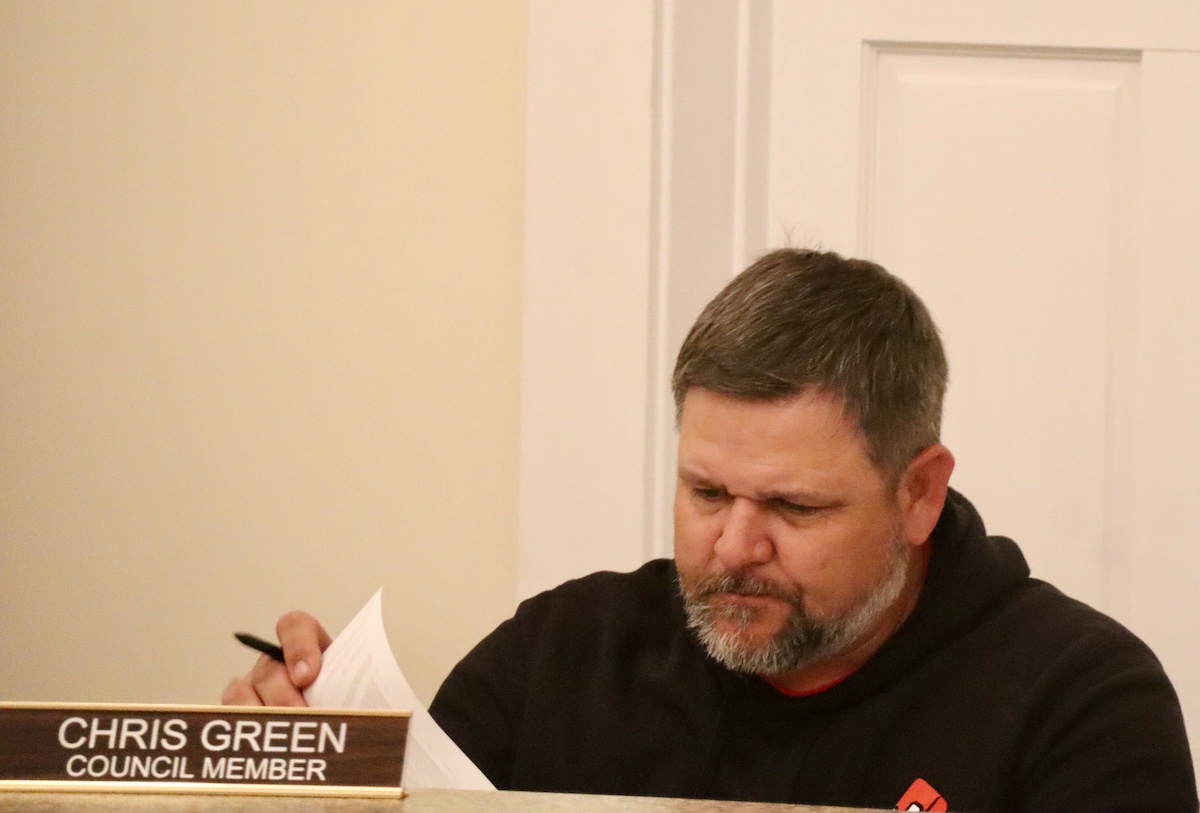
The concept plan phase includes reviewing existing site conditions, researching Mt. Airy’s zoning and development regulations, evaluating setbacks and stormwater requirements, and preparing an initial land plan with one revision.
The full site design phase includes grading plans, erosion and sediment control plans, drainage system design, water service design for domestic use and fire protection, construction details and plan submittals to the city.
Tullis said the more detailed Level 4 soil analysis was recommended to ensure precise development boundaries.
“Level four, you can go up to whatever the lines are with the property line, anything else that you’ve got to have a setback from,” Tullis said. “Level three is a little less precise, so Foothills called back and said to add a level four soil analysis.”
Councilman Patrick Ledford said Foothills Land Design demonstrated strong interest in the project and the community.
“He was pretty interested in the project,” Ledford said. “I think his family has some history here in the town, and he’s really interested in being a part of it.”
During the Feb. 9 council meeting, members emphasized that engineering work is foundational to the city’s broader vision of creating a downtown development area or business center. Officials said at the time that without a detailed site plan and engineering analysis, the city would not know the property’s true development capacity, infrastructure needs or septic feasibility.
City leaders have discussed using the site as a catalyst for downtown revitalization, but noted that permitting, utility planning and environmental requirements must be addressed before construction or tenant recruitment can occur.
Following Monday’s meeting, Tullis told Now Georgia there is not yet a firm timeline for what comes next once the engineering work is complete.
“We don’t really have a timeline right now. It’s just the first step,” Tullis said. “We’ll see how the timing works right after we get this.”
In separate action, the council unanimously approved a resolution to impose a technology fee of up to $10 on municipal court cases.
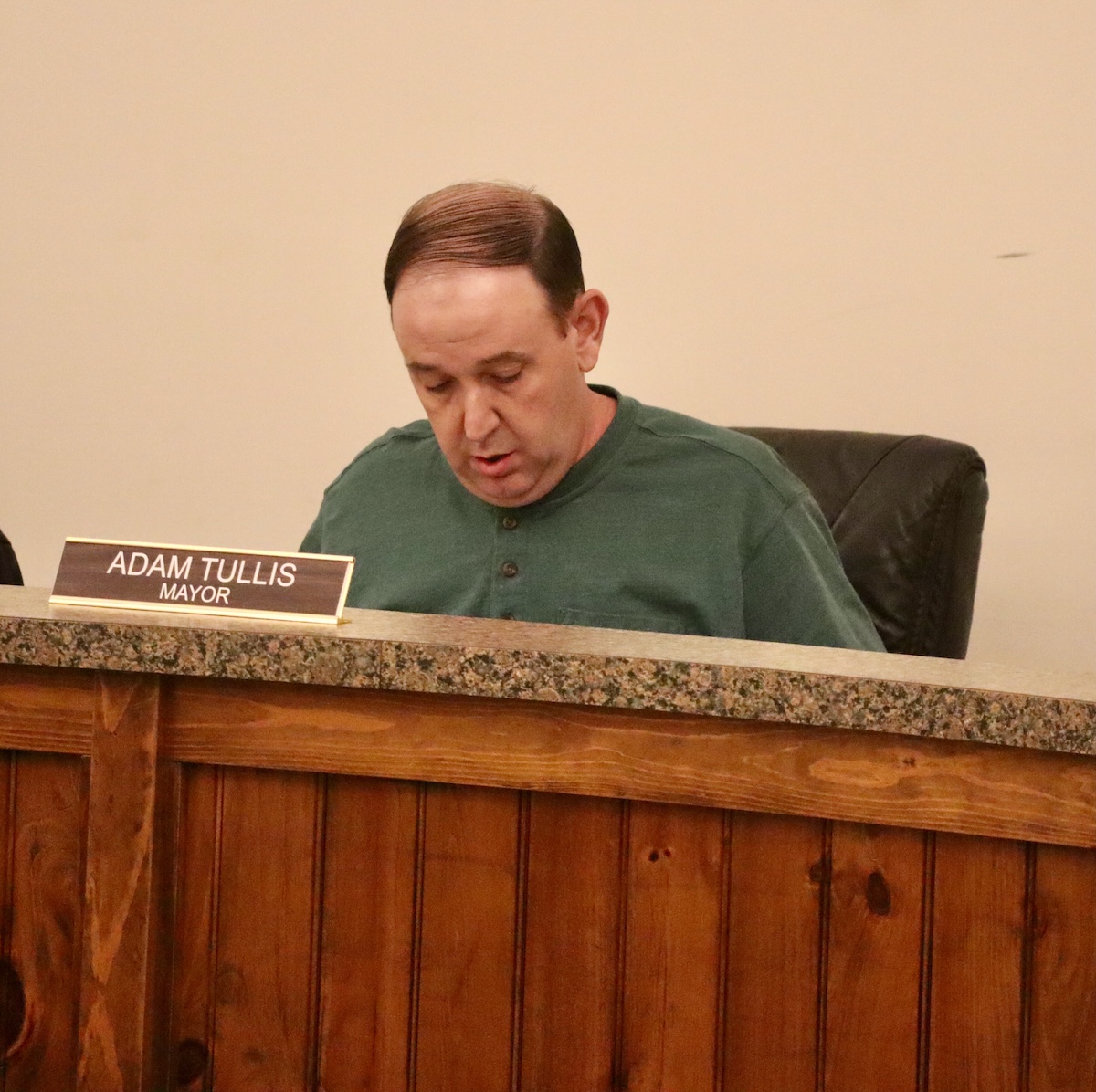
Tullis said the resolution must be submitted to the state, where legislation sponsored by state Reps. Victor Anderson and Chris Erwin is prepared pending local approval.
“You can charge a fee add-on to tickets for up to $10,” Tullis said. “You have to pass a resolution to the state of Georgia, which Victor Anderson and Chris Erwin have already got a bill ready waiting on our resolution, and then we can have a $10 fee to all tickets in the municipal court.”
He said the revenue will be restricted to a dedicated account for court-related technology expenses.
“The $10 is building its own special account, and it is restricted for computer software, computer hardware,” Tullis said. “That money is set aside just for that. So basically you’re taking a small burden off property taxpayers and putting it on people who use the court system.”
The technology fee is intended to help offset court software and equipment costs without increasing property taxes.