


CLARKESVILLE, Ga. — Habersham County commissioners will delay a vote on a sweeping overhaul of the county’s development rules until a new commissioner is seated, following a packed public hearing that highlighted deep divisions over growth, property rights and housing affordability.
Chairman Bruce Harkness announced Monday that the board will postpone any final decision on the proposed unified development ordinance, citing the need for additional public input and full representation on the board. The commission is currently operating with four members following the resignation of Commissioner Jimmy Tench earlier this year, and a special election to fill the seat is scheduled for May 19.
“We want every citizen in this county to be heard and to be represented,” Harkness said. “This could change our community and our county drastically for many years to come.”
Public hearing draws strong turnout, concerns
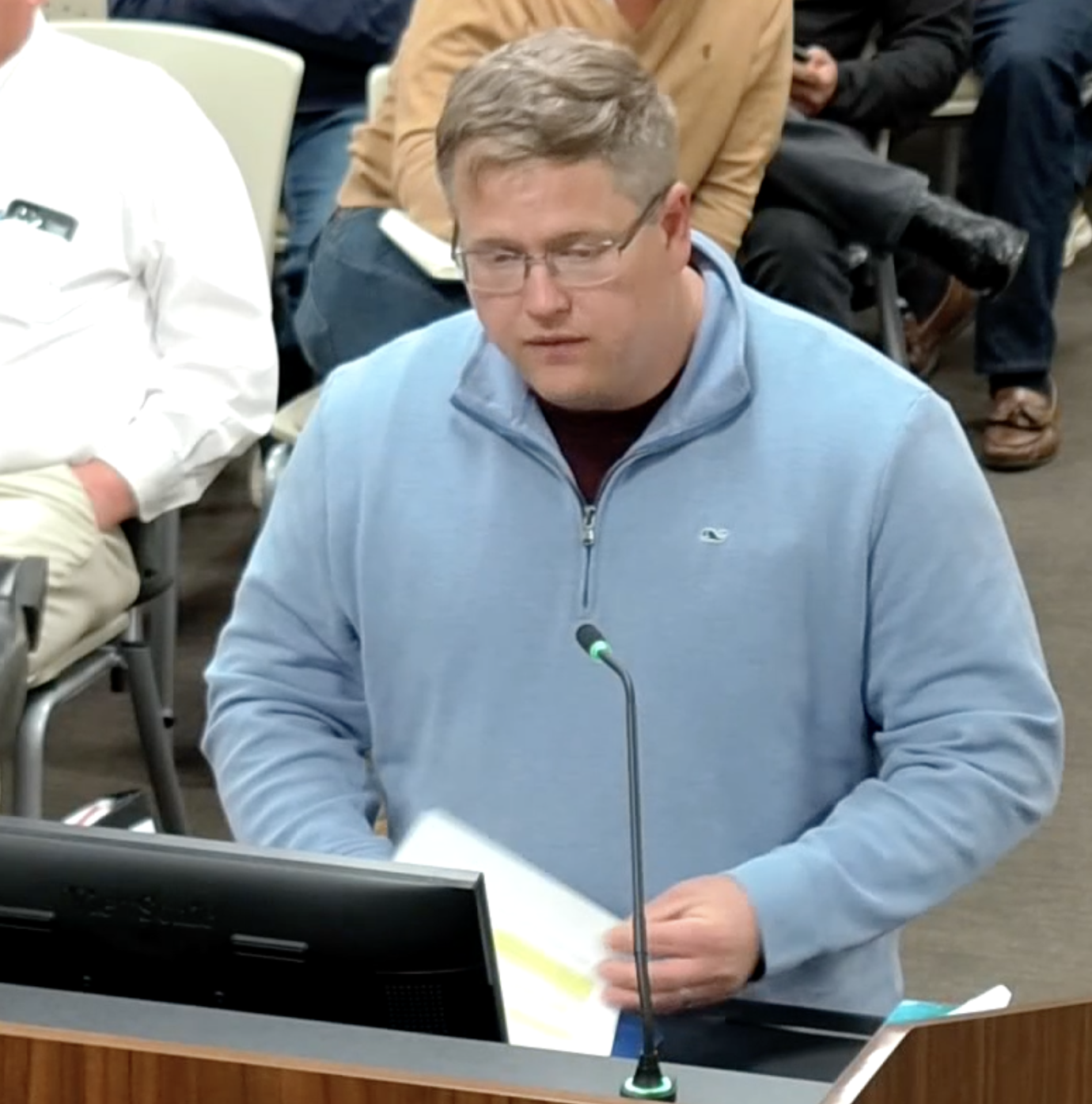
The Board of Commissioners held the first public hearing on the proposed ordinance during its Monday night meeting at the Habersham County Courthouse.
The hearing drew a large crowd, with several residents speaking in opposition and raising concerns about how the proposed changes could affect property owners, housing costs and the local economy.
Bruce Palmer, a Clarkesville resident, said he is considering building a small home on his five-acre property but is now uncertain how the new rules might apply.
“I don’t know where that leaves me,” Palmer said, adding that he has already begun working with a builder and taking steps toward development.
Palmer warned the proposal could have unintended consequences for longtime residents.
“I think it’s going to hurt regular people that’s lived in our county,” he said.
Zane Stewart, also of Clarkesville, said he supports efforts to regulate subdivisions but opposes increasing minimum lot sizes across much of the county.
“I think this is an overreach,” Stewart said. “I think it’s an overuse of power to tell someone what they can do with their property.”
Cornelia resident Joshua Bramlett said additional regulations could ripple through the local economy, affecting small businesses, housing affordability and property values.
“When new requirements are placed on development, these costs don’t simply disappear,” Bramlett said. “They ripple through the entire local economy.”
What the proposed code would change
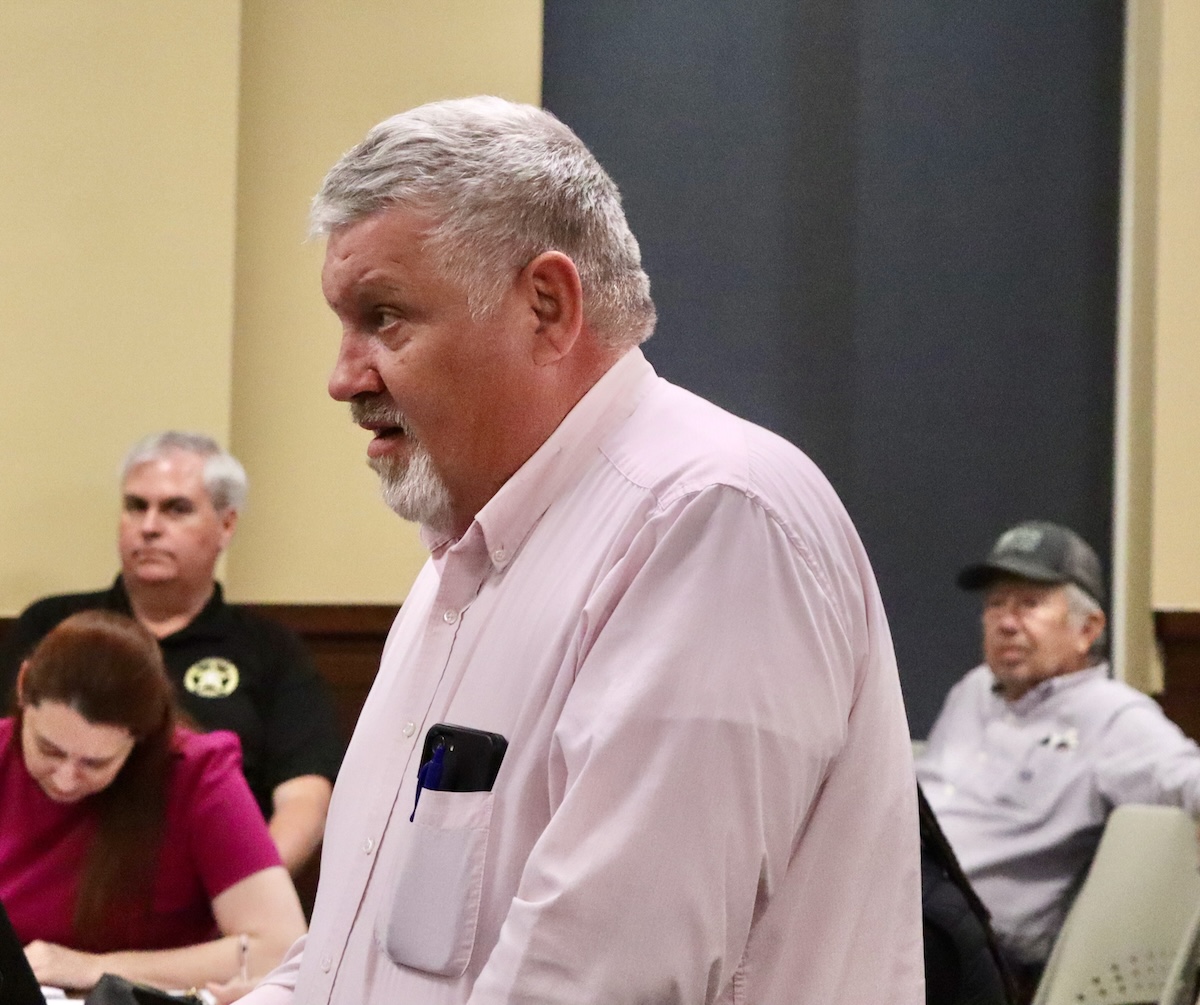
Planning Director Mike Beecham said the ordinance is the result of nearly two years of work, including public outreach, stakeholder meetings and feedback from developers, engineers and residents.
The proposal would overhaul how land is zoned and developed across the county, replacing existing rules with a unified code.
Under the plan, the county would establish new zoning districts with varying minimum lot sizes, including five-acre minimums in conservation areas, three acres in agricultural zones, two acres in rural residential areas and one acre in suburban residential districts.
Beecham said the changes are intended to address a key concern under the current system, which allows large subdivisions to be developed in many areas with limited oversight.
The ordinance would also introduce new definitions for subdivisions, classifying projects with four or more lots as major subdivisions subject to stricter requirements, including infrastructure standards and minimum home sizes.
Cluster development and housing options
The proposal includes provisions for “cluster” developments, which would allow homes to be built on smaller lots while preserving the remaining land as permanent open space.
Beecham said the approach could reduce infrastructure costs while maintaining overall density.
“It’s just an option to save the developer some money,” he said.
The ordinance would also allow accessory dwelling units — such as small homes for aging family members — by right in many cases, eliminating the need for variances if certain criteria are met.
Additional standards address trees, commercial growth and data centers
The proposed code would also introduce new environmental and commercial standards.
Beecham said developers would be required to preserve at least 50% of existing trees on a property, a measure aimed at preventing clear-cutting in new subdivisions.
Commercial developments in the unincorporated county would be required to include paved parking and basic landscaping.
The ordinance also addresses data centers, a topic that has drawn recent attention in the community. Under the proposal, data centers would be limited to industrial zoning districts and would require approval from the Board of Commissioners.
Officials push back on mobile home concerns
County officials also addressed concerns circulating in the community that the ordinance would eliminate manufactured housing.
Harkness said he received multiple calls from residents raising that concern, but Beecham said the proposal would not ban mobile homes.
Manufactured homes would continue to be allowed on most properties in the unincorporated county, with the primary restriction applying to new major subdivisions, which would require stick-built homes.
Commissioners cite need to balance growth and services
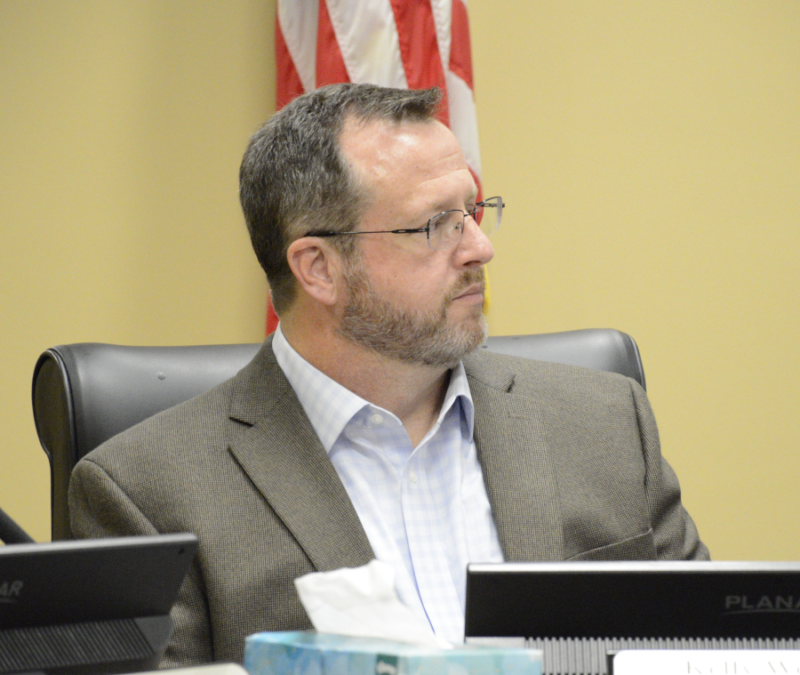
Commissioners said the proposal reflects growing pressure to manage development while maintaining the county’s rural character and financial stability.
Commissioner Kelly Woodall said the effort was driven in part by public demand to preserve agricultural land and natural beauty, while also acknowledging concerns about housing affordability.
“If you ask a starting family if they can afford a home on one acre, your answer is no,” Woodall said.
Woodall also pointed to the cost of providing services to new developments, particularly in rural areas.
“The cost for subdivisions, for services that we provide, is extremely expensive,” he said.
Commissioner Ty Akins said the debate reflects competing priorities within the community, with some residents calling for stricter controls on growth and others raising concerns about property rights.
“There’s a whole other side to this county that really wants us to do all we can to slow it down a little bit,” Akins said.
He added that residential growth in rural areas can strain county resources and contribute to higher costs for taxpayers.
“What we had up to this point was not working,” Akins said.
Chairman calls proposal a ‘work in progress’
Harkness emphasized that the ordinance remains a work in progress and encouraged residents to continue providing feedback.
“This document is open for suggestion and open for revision,” he said. “We need to hear from you.”
He urged residents to contact commissioners with their input as the board continues refining the proposal.
Chairman expects revisions, outlines timeline
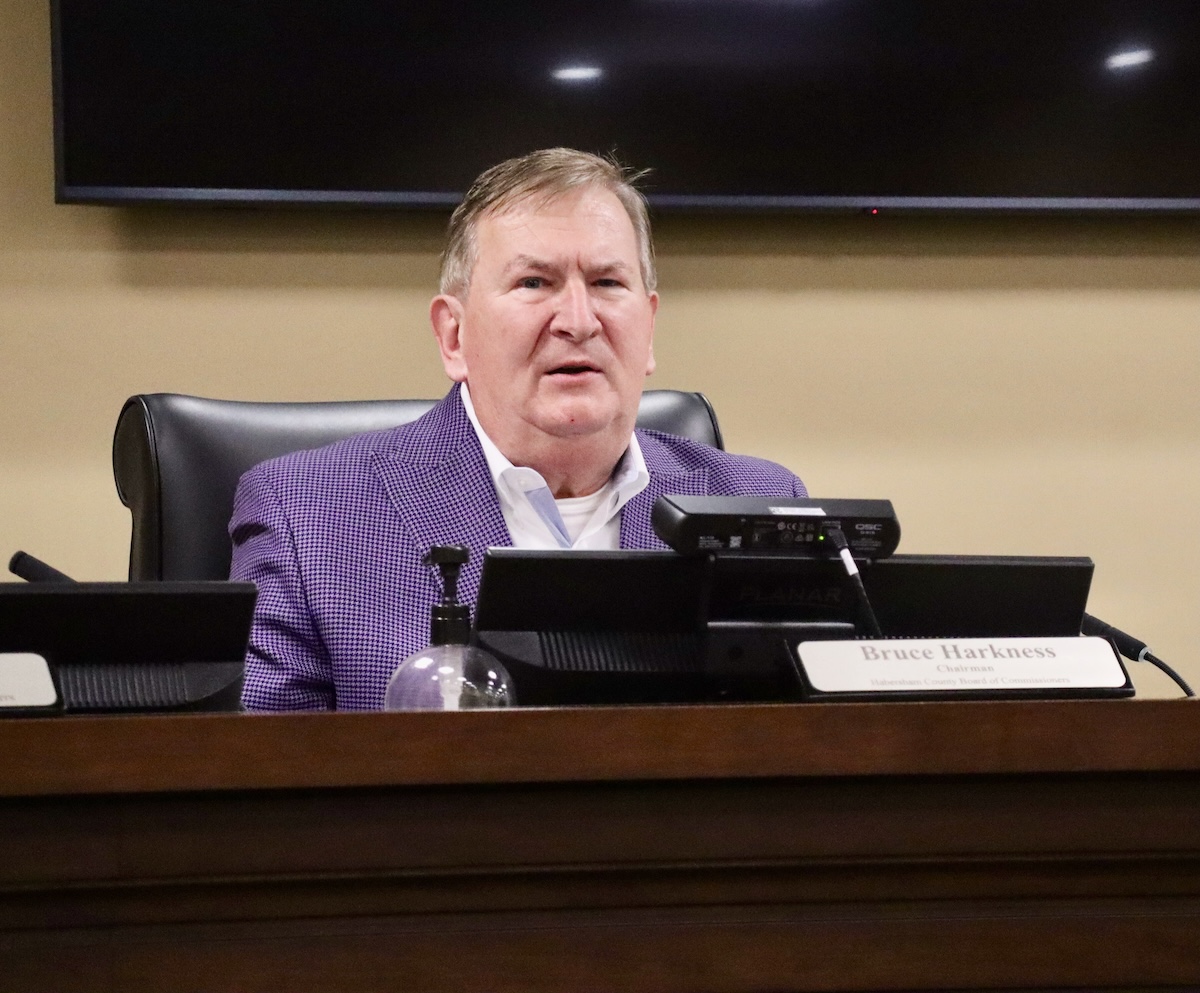
In an interview with Now Georgia following the meeting, Harkness said he expects changes to be made before any final vote.
“I think some changes will have to be made,” he said, citing concerns raised during the public hearing.
Harkness said the proposal is a strong starting point but acknowledged it may go too far in some areas.
“It may be a little overreaching,” he said.
The board is now aiming to take action after a new commissioner is elected and sworn in, with a target of finalizing the ordinance in June.
If adopted, Harkness said development applications could begin moving forward shortly afterward.
“I suspect that new developments could potentially come about after June 17,” he said.
He added that it could take at least a year to determine whether the new code is working as intended.
“It’s going to take time,” Harkness said. “At least a year before we realize — have we done something good here, or have we done something terrible?”