


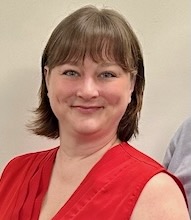
CLARKESVILLE, Ga. — The City of Clarkesville is moving to formalize and expand its pursuit of outside funding under newly hired grant writer Sara Burke, who outlined an aggressive but structured strategy to city leaders last week.
Appearing before the City Council for the first time, Burke walked members through her grant procurement process, early applications and a draft policy designed to professionalize how the city identifies, evaluates and manages funding opportunities.
“We don’t just need to throw things at her and see what sticks,” City Manager Keith Dickerson said during the work session. “I’d like to follow a process.”
Two major grant seasons
Burke told council most grant opportunities fall into two primary cycles — spring and fall — with Clarkesville entering a key application window.
“We’re coming up on a nice round of applications,” Burke said.
She said the city has already received one grant award, submitted a second application and plans additional filings in the coming weeks, including a fire department grant due Feb. 20.
Burke said the summer months are typically used to prepare for larger, more competitive grants that require extensive coordination and narrative development.
“A lot of what I’m doing now is preparation,” she said, including setting up federal grant systems, drafting policies and meeting with department heads to assess needs.
Police, fire and facility priorities
Burke said early conversations with police and fire officials have helped identify priority projects, including body-worn cameras, license plate readers and improved public safety facilities.
Clarkesville has already secured a $20,000 grant from the Criminal Justice Coordinating Council to assist the police department with purchasing license plate readers. Burke said the city hopes to supplement that funding with departmental dollars to acquire two readers.
She also said the police department currently lacks a dedicated impound facility and evidence storage building, sometimes having to manage vehicles in different areas around the city.
“They don’t currently have anywhere to impound a vehicle,” Burke said, adding that officers would also benefit from being able to service their own vehicles in-house.
Burke said the city is exploring grant funding for a police building that could address those needs, as well as potential funding for improvements to the fire station.
The fire department has also applied for a fireworks safety grant with a $25,000 cap and a 10% local match requirement.
Vehicle replacement and infrastructure funding
In addition to traditional grants, Burke said the city has secured participation in a Georgia Municipal Association loan program that would allow Clarkesville to purchase one police vehicle annually for five years, two staff vehicles annually for two years, and a new fire truck.
The fire truck alone is expected to cost nearly $1 million, she said.
Burke is also researching the Georgia Transportation Infrastructure Bank, a low-interest grant and loan program that can support road, bridge and pedestrian projects. While Clarkesville may be too late to apply for major funding this cycle, she said the city can position itself for future opportunities.
Arts and community programming
Beyond public safety and infrastructure, Burke said she is also pursuing grants tied to tourism and quality-of-life initiatives.
She has applied for a Levitt Foundation Music Festival grant that could provide up to $5,000 with no local match requirement. The proposed event would be held at Pitts Park in partnership with the Soque River Watershed Association.
Burke is also exploring an arts grant in partnership with Splash Pottery Studio to create a rotating art installation downtown designed to increase foot traffic and encourage visitors to explore local businesses.
Formalizing the process
Central to Burke’s presentation was a proposed grant policy and internal tracking system intended to create accountability and consistency.
Burke said she has developed a multi-page grant research tracking form that evaluates funding sources, match requirements, eligibility and expected benefits before applications are submitted.
“If one of you throws something at me to see if it sticks, this will tell you whether or not it does,” she told council members.
She also presented a 12-month grant manager action plan outlining deliverables and reporting benchmarks, with the goal of providing regular updates to council.
The draft grant policy is currently under review and would establish clear procedures for application approval, budgeting, compliance and reporting.
For city leaders, the move signals a shift toward proactively seeking outside funding to support infrastructure, public safety and community projects — potentially reducing reliance on local tax dollars.


