


Hunters and non-hunters alike are opposing a mule deer eradication plan on Catalina Island that was recently approved by the California Department of Fish and Wildlife. On Jan. 30, CDFW signed a Restoration Management Plan that was submitted by the Catalina Island Conservancy, which owns 88 percent of the island. The RMP calls for the deer herd to be exterminated by sharpshooters over the next five years.
The CIC estimates the island’s current muley population at around 1,800 and says it cannot be managed through hunting alone. Hunting groups say this is an overestimation of deer numbers, and that the organization has never had a proper management plan. Their biggest criticism is that CIC wants to eliminate the herd, instead of managing it through regulated hunting.
“Considering the backlash, I’m surprised it was permitted,” Sportsmen’s Alliance vice president Brian Lynn tells Outdoor Life. “Why are you paying sharpshooters to knock deer back when hunters would do it? They would pay to do it, and they would eat the meat.”
Other wildlife groups, including animal rights groups that typically lean anti-hunter, are also speaking out against the eradication plan. They don’t want to see the island’s deer eliminated, either. Dianne Stone, an advisor and historian for the Catalina Island Humane Society, has called the plan “immoral” and “unnecessary.”
Representatives of both stripes are featured in Killing Catalina, a full-length documentary that HOWL for Wildlife released on Jan. 28. HOWL’s founder Charles Whitwam says CDFW signed the RMP around the same time the film premiered on the island.
“This is a very unique coalition that I have never seen before,” Whitwam says of the different groups he worked with in making the documentary. “People on all sides of the political and environmental spectrum have come together to oppose eradication. What’s really interesting is to hear representatives from the Catalina Humane Society saying, ‘We’re fine with hunting, and that’s the best option. We want ethical hunting.’”
There’s also a history of mule deer hunting on Catalina Island, which began sometime after the deer were introduced there in the 1930s. In this sense, mule deer are non-native, but Whitwam disagrees with CIC’s stance that they’re “invasive.” He says the island’s deer have never been classified as invasive by California wildlife managers, and that they are still considered a public resource of the state. (The island’s bison herd is a different story, and Whitwam says he’s unsure how they will fit into the RMP.)
Whitwam explains that Catalina mule deer hunting was traditionally reserved for island residents and their guests, or hunters who were willing to book with a local guide. The hunt was opened to public, DIY hunting in 2020. Hunters can get Private Land Management tags issued by CDFW to the Conservancy, and the organization allocated around 500 tags a year between 2010 and 2023. In 2024, however, the state wildlife commission doubled the number of available tags. Of those 1,000 tags, 750 were utilized by hunters and 379 were filled.
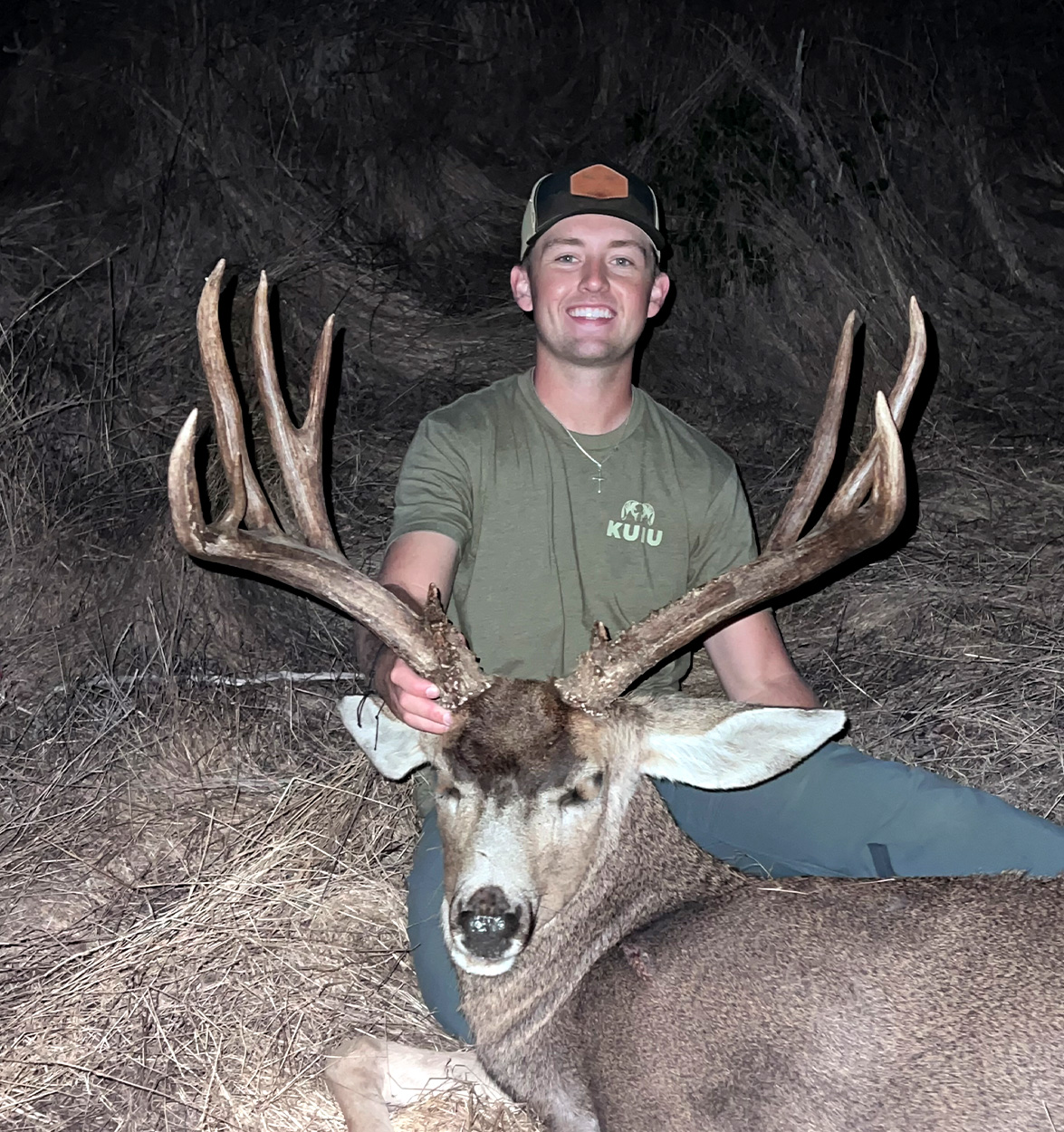
“The Conservancy’s population count at that time was 1,800 deer. So, 22 percent of the population was taken out during that one season,” says Whitwam. He points out that harvest rates from previous years were closer to 13 percent. “At the end of the season, the conservancy called that a failure. Then they went back to a locals only hunt.”
Whitwam says this “failure” claim is also undercut by harvest data, which shows that bucks have also been killed with PLM permits, and that harvesting does hasn’t been a real focus of the Conservancy. A local outfitter, Ben Myhre, who runs approximately 70 percent of the guided hunts on Catalina Island, has likewise told Whitwam that harvesting does has never been a requirement there.
“Then there’s the population count itself, which we also take issue with,” Whitwam says. “I asked [the Conservancy] how they got their numbers? They said, ‘Well, we use spotlight surveys.’”
These surveys are exactly what they sound like: People drive the island roads at night with spotlights and count reflections from deer’s eyes. The Conservancy then takes those estimates and extrapolates them across the whole island. But Whitwam says that when they flew thermal drones while making the documentary, they saw that deer populations were not uniform across the island.
The CIC and its supporters say these mule deer are damaging the ecological health of Catalina Island, while also fueling wildfire risk. In an interview with CBS News, Scott Morrison, the conservation and science director for the Nature Conservancy California, said, “Catalina Island can either have a functional biodiverse ecosystem or it can have deer. It cannot have both.”
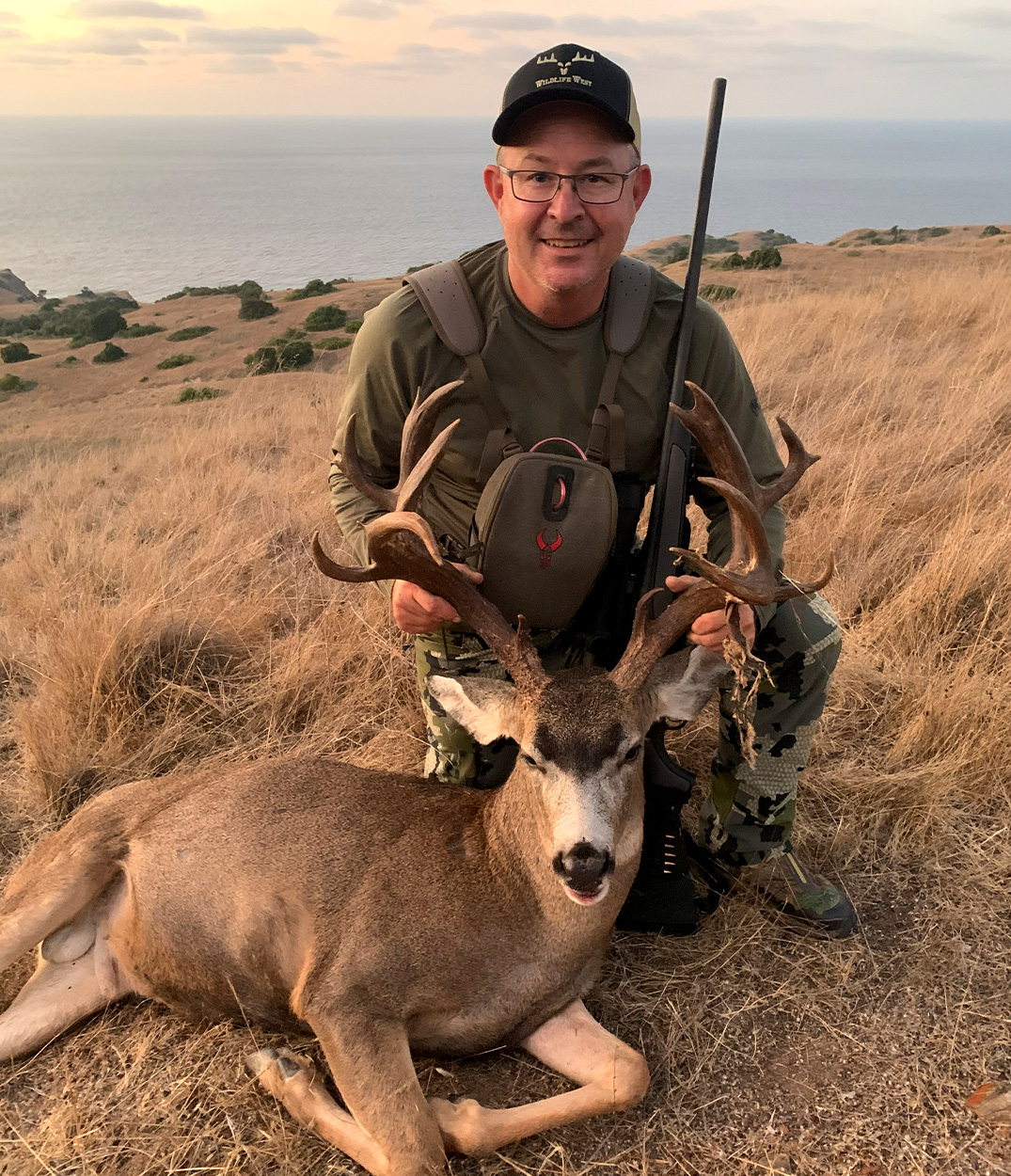
“We know what’s at stake here,” Lauren Dennhardt, Catalina Island Conservancy senior director of conservation told the Los Angeles Times. “It’s important for us to essentially do the right thing to make sure that this island stays and gets even better in the future.”
The Conservancy is still planning to hold a locals only hunt starting in September. The number of available tags has been capped at 200. It’s unclear when the sharpshooters could start killing deer, but they are now required to shoot only from the ground. A previous RPM that called for aerial culling was cancelled due to concerns from the island’s residents, most of whom live in Avalon.
Whitwam says the town itself could also present a problem for eradication. The city of Avalon, along with an entity called the Island Company, owns 12 percent of Catalina Island. And because Avalon leaders oppose the eradication plan, he says, the city has now established ordinances to prohibit the killing of deer within city limits. The RMP calls for tranquilizing city deer, and then either euthanizing or surgically sterilizing them.
“They [the city of Avalon] are formally filing objections to the RMP permit and the eradication. And there’s several more lawsuits coming from other groups who oppose this,” Whitwam says. “It all just stinks to high heaven, honestly. For our department [CDFW], who should be the scientific authority over wildlife, to be completely silent on this, it really poses a bigger problem. Like, what’s going on with our agency that we trust to manage our wildlife? And what are they basing their decisions on?”
Dac Collins contributed reporting.
The post Hunters and Non-Hunters Decry New Plan to Eradicate Mule Deer from Catalina Island appeared first on Outdoor Life.
Whitecounty.com Appreciate the great content from Outdoor L:ife