


GAINESVILLE, Ga. — U.S. Rep. Andrew Clyde spent the week traveling across White, Habersham, and Rabun counties to assess damage from Winter Storm Fern.
Clyde met with county leaders, emergency managers, utility officials, and first responders to receive updates on storm impacts, power restoration, debris removal, and ongoing recovery operations. He also visited shelters and utility staging areas to thank crews and volunteers working in difficult conditions to restore services.
He expressed gratitude to those involved with response and recovery efforts.
“From state and local officials to volunteers and Georgia National Guard troops, the quality of assistance and level of coordination have truly been remarkable,” Congressman Clyde said.
White County
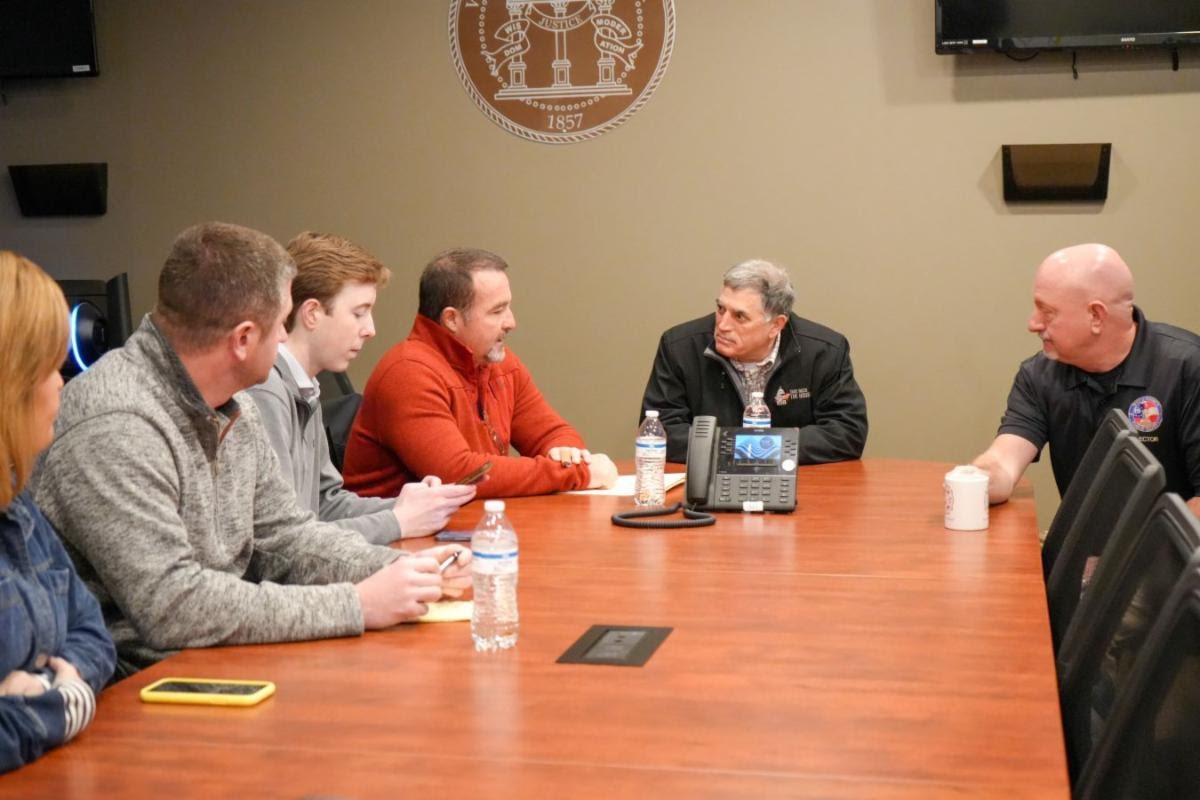
In White County, Clyde met with County Manager Derick Canupp, Commission Chairman Travis Turner, Public Safety Director David Murphy, and Assistant County Manager Shanda Murphy to discuss storm damage, debris removal, and recovery timelines. He also toured the American Red Cross–managed shelter at the White County Recreation Center at Yonah Preserve and thanked Georgia National Guard troops deployed to assist with storm response.
Habersham County
Clyde visited Habersham County for briefings on storm impacts and power restoration efforts. He received updates from Habersham EMC President and CEO Bryan Ferguson, County Manager Tim Sims, and Georgia System Operations President and CEO Greg Ford. Clyde also toured Habersham EMC facilities to learn more about the cooperative’s restoration process following widespread outages.
Rabun County
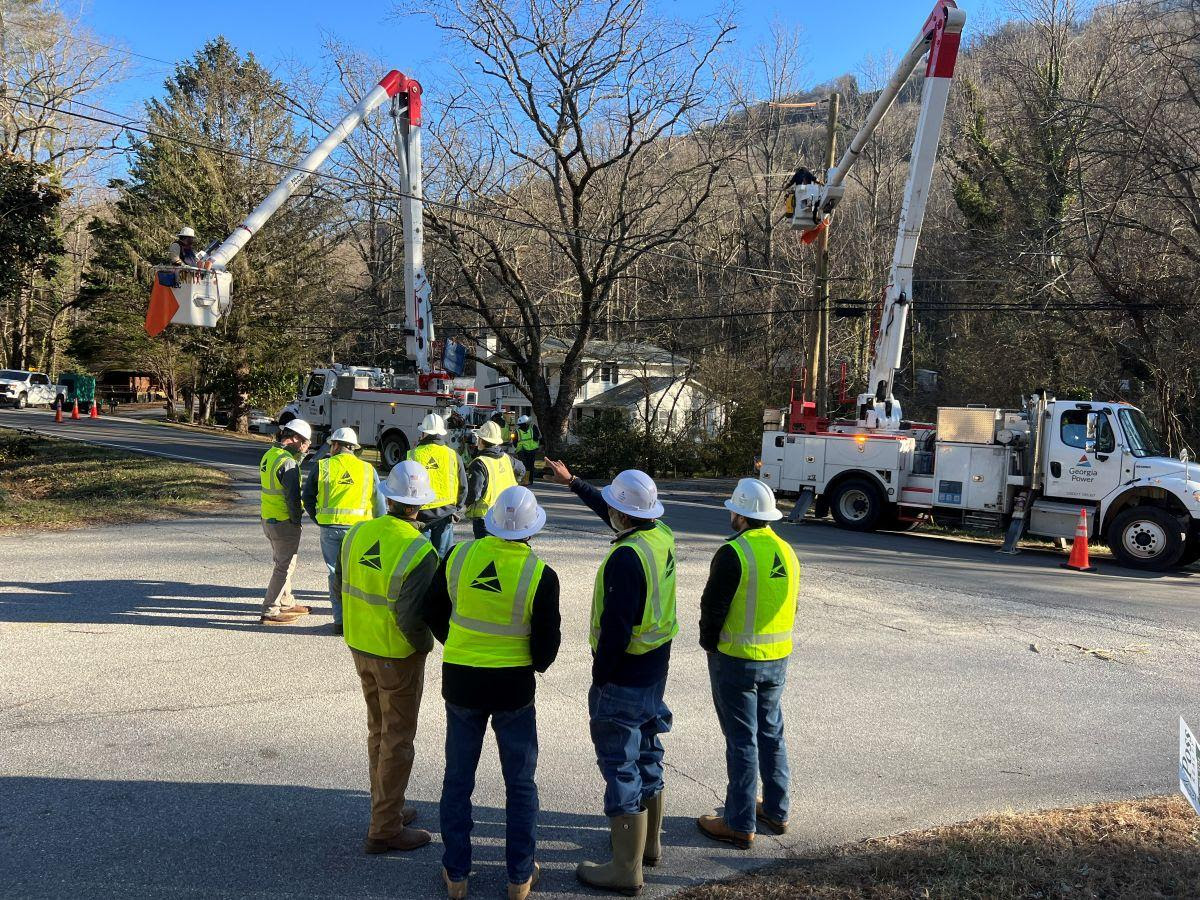
In Rabun County, Clyde received a firsthand look at Georgia Power’s restoration efforts and visited crews working to return electricity to hard-hit areas. Georgia Power Northeast Area Manager Jeremy Spradlin provided an update on progress, while Battle Branch Baptist Church in Clayton was recognized for hosting Georgia Power’s operating base during the recovery.
Clyde said he plans to continue monitoring recovery efforts across the region and working with federal, state, and local partners to ensure affected communities receive the assistance they need as cleanup and restoration continue.


